
How to Create a Lease Agreement That Works for Everyone
Drafting a lease agreement might seem like a mundane task, but it’s a critical step in any rental arrangement. A well-structured lease not only protects the rights of both landlords and tenants but also reduces the risk of disputes down the line. So, how do you create a lease that truly works for everyone involved?
Understand the Basics of a Lease Agreement
Before you jump into drafting, it’s essential to understand what a lease agreement is. At its core, a lease is a legally binding contract that outlines the terms under which one party agrees to rent property owned by another party. This agreement includes details such as the rental amount, payment due dates, and the duration of the lease.
For example, if you’re renting an apartment, your lease will specify how much you pay each month and the rules you must follow. A strong lease minimizes misunderstandings. Everybody knows what’s expected, which can prevent potential conflicts.
Clearly Define the Terms
Clarity is key when drafting a lease. Vague terms can lead to confusion and disagreements. Make sure to include specific details such as:
- The rental amount and due dates
- The lease duration, whether it’s month-to-month or a fixed term
- The security deposit amount and conditions for its return
- Rules regarding maintenance and repairs
- Pet policies and any associated fees
For instance, consider how a vague clause about maintenance can lead to disputes. Instead of stating, “The tenant is responsible for repairs,” specify, “The tenant is responsible for minor repairs under $100.” This way, both parties have a clear understanding of their responsibilities.
Include Essential Legal Provisions
Every lease should include essential legal provisions to ensure its enforceability. This often involves local laws and regulations regarding rentals. It’s a good idea to include clauses that address:
- Termination conditions
- Eviction processes
- Dispute resolution methods
- Insurance requirements
For example, if a tenant consistently pays rent late, you want to have a clearly defined process for addressing this issue. Not only does this protect you as a landlord, but it also gives tenants a fair understanding of what happens if things go awry.
Utilize Professional Templates
Writing a lease from scratch can be daunting. Thankfully, there are resources available that can simplify this process. A professional lease agreement template can save you time and ensure you don’t overlook important details. One such resource is found at https://washingtontemplates.com/lease-agreement/, where you can find templates tailored to your needs.
Using a template doesn’t mean you have to stick to it rigidly. You can customize it to reflect your specific situation. Think of it as a solid foundation upon which to build your agreement.
Communicate with All Parties
Effective communication is essential in any rental arrangement. Before finalizing the lease, make sure to discuss all terms with your tenant. This helps to ensure that everyone is on the same page and reduces the chances of misunderstandings later on.
For instance, if you have a unique rule about noise levels, discuss it upfront. Rather than just including it in the lease, explain why it’s important. This personal touch can foster a better landlord-tenant relationship.
Regularly Review and Update the Agreement
Leases aren’t set in stone. As circumstances change, so might the terms of your lease. Regularly review your agreement to ensure it reflects current laws and rental practices. This is especially important if you decide to make changes to your property or if local rental laws are updated.
For example, if your region implements new regulations regarding tenant rights, adjust your lease accordingly. Keeping your agreement up to date protects you legally and shows tenants that you’re committed to fair practices.
Seek Legal Advice When Needed
If you’re unsure about any aspect of your lease, don’t hesitate to seek legal advice. A lawyer who specializes in rental agreements can provide invaluable insight. They can help you navigate complex legal language and ensure your lease complies with local laws.
Imagine you’re drafting a lease and are unsure about a specific clause. Consulting with a legal expert can clarify your obligations and rights, preventing potential issues before they arise. It’s an investment in peace of mind.
Creating a lease agreement that works for everyone is a process that requires attention to detail, clear communication, and a willingness to adapt. By following these guidelines, you can draft a lease that not only protects your interests but also fosters a positive relationship with your tenants.

On Sale
-
 NERF Air Goal- Instant Blow Up Soccer Goal - Plug In and Inflates in 10 Seconds
$38.70
NERF Air Goal- Instant Blow Up Soccer Goal - Plug In and Inflates in 10 Seconds
$38.70
-
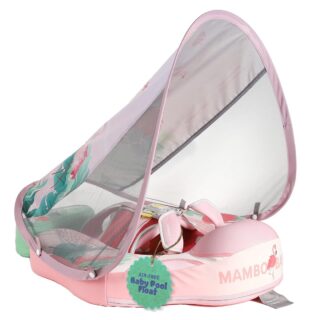 Mambobaby Baby Pool Float with Canopy- Pink
$46.69
Mambobaby Baby Pool Float with Canopy- Pink
$46.69
-
 Adventure Force Tactical Strike Boxer Pro Ultimate Pro Flywheel Full-Auto Motorized Belt Blaster, Shoots Up to 150 FT, 55-Piece Pro Blaster Set up to 6 Rounds per Second, 14+
$44.25
Adventure Force Tactical Strike Boxer Pro Ultimate Pro Flywheel Full-Auto Motorized Belt Blaster, Shoots Up to 150 FT, 55-Piece Pro Blaster Set up to 6 Rounds per Second, 14+
$44.25
-
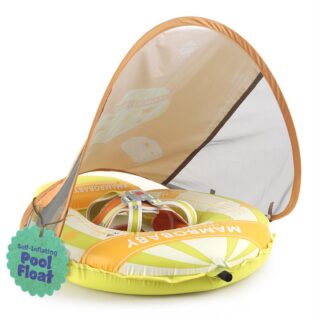 Mambobaby Self Inflating Baby Pool Float with Canopy- Green
$45.59
Mambobaby Self Inflating Baby Pool Float with Canopy- Green
$45.59
-
 Mambobaby Self Inflating Baby Pool Float with Canopy- Blue
$50.36
Mambobaby Self Inflating Baby Pool Float with Canopy- Blue
$50.36
Leave a Reply