
Investigating the Benefits of Multi-Use Land Leases: Hunting and Beyond
Multi-use land leases can be a win-win for landowners and hunters alike. These agreements allow for various activities on the same parcel of land, maximizing its potential and utility. In this post, we’ll explore the numerous benefits of multi-use land leases, particularly in the context of hunting, and how they can enhance both conservation efforts and recreational opportunities.
The Core Concept of Multi-Use Land Leases
At its essence, a multi-use land lease permits different activities on a single piece of land. This can include hunting, fishing, camping, grazing, and even agricultural uses. For landowners, this approach can provide a steady income while preserving the land’s ecological integrity. For hunters, it opens up more opportunities for recreation and exploration.
One effective way to manage these leases is through a Hunting Rights Lease Agreement printout, which clearly outlines the terms and conditions for all parties involved. This ensures that everyone knows their rights and responsibilities, reducing potential conflicts.
Enhancing Wildlife Conservation
Multi-use leases can play a vital role in wildlife conservation. When hunting and land management are balanced correctly, these agreements can help maintain healthy ecosystems. By allowing controlled hunting, landowners can manage wildlife populations effectively, preventing overpopulation and its associated issues.
Furthermore, maintaining areas for hunting can contribute to habitat preservation. Managed hunting lands often require careful monitoring and management, which can lead to better overall ecosystem health. This balance is important for the sustainability of both the land and its wildlife.
Economic Advantages for Landowners
For landowners, the economic incentives of multi-use leases are significant. Instead of relying solely on traditional agricultural income, they can diversify their revenue streams. Hunting leases, in particular, can be quite lucrative, especially in regions with abundant wildlife.
Additionally, having multiple uses for a piece of land means that it can be kept viable even during off-seasons for specific activities. For instance, a property might generate income from hunting in the fall and winter, followed by recreational camping or fishing in the warmer months. This continuous cash flow can stabilize a landowner’s financial situation.
Benefits for Hunters
Hunters benefit from multi-use leases in several ways. First, they often gain access to larger areas of land that might not be available for exclusive hunting use. This can lead to a more enjoyable hunting experience, as well as increased chances of success.
Moreover, multi-use leases can create a sense of community among hunters. By sharing the land with other outdoor enthusiasts, they can build camaraderie and shared experiences. This can lead to mentorship opportunities, where seasoned hunters can share knowledge with newcomers, enhancing the overall hunting culture.
Legal Considerations
While the benefits of multi-use land leases are clear, it’s essential to address the legal aspects involved. Contracts must be carefully crafted to avoid misunderstandings and disputes. Key elements to consider include:
- Clearly defined boundaries and areas for each activity
- Liability clauses to protect both landowners and users
- Duration of the lease and renewal options
- Restrictions on activities that may harm the land or wildlife
Having a well-structured agreement is important. It protects all parties and ensures a harmonious coexistence of activities. This is where resources like the Hunting Rights Lease Agreement printout can come in handy, providing a solid foundation for these agreements.
Environmental Impact and Sustainability
Multi-use land leases encourage sustainable practices. When landowners and users collaborate, they can implement strategies that benefit the environment. For instance, controlled grazing can help manage vegetation and prevent wildfires, while hunting can assist in population control of certain species.
Additionally, these leases can promote reforestation and habitat restoration projects. By combining efforts, landowners and users can work towards more significant environmental goals, creating a legacy of stewardship for future generations.
Challenges and Considerations
Despite the advantages, there are challenges to multi-use land leases. Conflicts may arise between different user groups. For example, hunters might feel that other activities, like camping, disturb wildlife. Clear communication and mutual respect among users are essential to mitigate these issues.
Furthermore, landowners must conduct regular assessments to ensure that all activities remain sustainable. This requires ongoing engagement with all parties involved, monitoring the land’s health, and adjusting lease terms as necessary. Proper management is key to the success of multi-use arrangements.
Ultimately, multi-use land leases offer a flexible and beneficial approach to land management. By promoting collaboration and leveraging the strengths of various activities, both landowners and users can enjoy richer experiences and contribute positively to the environment.

On Sale
-
 NERF Air Goal- Instant Blow Up Soccer Goal - Plug In and Inflates in 10 Seconds
$38.70
NERF Air Goal- Instant Blow Up Soccer Goal - Plug In and Inflates in 10 Seconds
$38.70
-
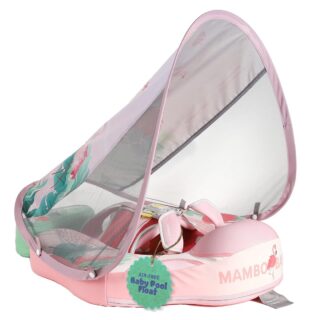 Mambobaby Baby Pool Float with Canopy- Pink
$46.69
Mambobaby Baby Pool Float with Canopy- Pink
$46.69
-
 Adventure Force Tactical Strike Boxer Pro Ultimate Pro Flywheel Full-Auto Motorized Belt Blaster, Shoots Up to 150 FT, 55-Piece Pro Blaster Set up to 6 Rounds per Second, 14+
$44.25
Adventure Force Tactical Strike Boxer Pro Ultimate Pro Flywheel Full-Auto Motorized Belt Blaster, Shoots Up to 150 FT, 55-Piece Pro Blaster Set up to 6 Rounds per Second, 14+
$44.25
-
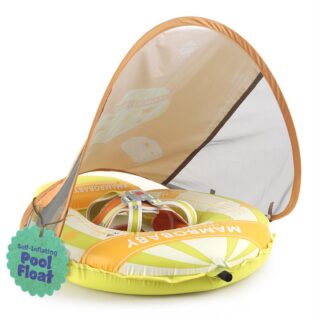 Mambobaby Self Inflating Baby Pool Float with Canopy- Green
$45.59
Mambobaby Self Inflating Baby Pool Float with Canopy- Green
$45.59
-
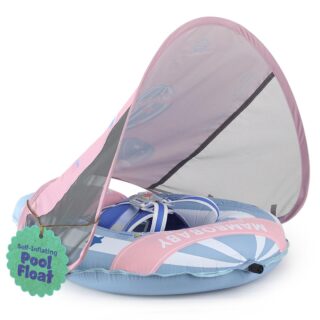 Mambobaby Self Inflating Baby Pool Float with Canopy- Blue
$50.36
Mambobaby Self Inflating Baby Pool Float with Canopy- Blue
$50.36
Leave a Reply