
The Role of Rental Agreements in Preventing Disputes
Rental agreements are more than just pieces of paper; they are essential tools that can help prevent disputes between landlords and tenants. When both parties understand their rights and responsibilities, the likelihood of misunderstandings and conflicts diminishes significantly. This article explores how rental agreements function as a safeguard against disputes and offers practical tips for creating effective agreements.
Understanding the Basics of Rental Agreements
A rental agreement is a legally binding contract between a landlord and a tenant. It outlines the terms under which the tenant can occupy the property. This includes key details such as rental amount, payment due dates, duration of the lease, and any rules regarding the use of the property.
Many landlords assume that a verbal agreement is sufficient, but this can lead to complications. Without documented terms, both parties may have different interpretations of their commitments. A written rental agreement serves as a reference point that clarifies expectations, making it less likely for disputes to arise.
Common Sources of Disputes
Understanding what can go wrong is half the battle. Many disputes arise from miscommunication or a lack of clarity in the rental agreement. Here are some common issues:
- Late Payments: Disputes often occur when tenants fail to pay rent on time. Clear terms regarding payment dates and penalties for late payments can help mitigate these issues.
- Maintenance Responsibilities: Who handles repairs? If the responsibilities aren’t clearly defined, conflicts over maintenance can escalate.
- Security Deposits: Disagreements about the return of security deposits are frequent. A rental agreement should detail the conditions under which deposits can be withheld.
- Property Use: Restrictions on property use (like pets or smoking) need to be explicitly stated to avoid future conflicts.
Key Components of a Solid Rental Agreement
Creating a thorough rental agreement is essential. Here are key components that should be included:
1. Names of Parties: Clearly state the names of all tenants and the landlord.
2. Property Description: Include the address and a description of the rental unit.
3. Duration of Lease: Specify whether the lease is month-to-month or for a fixed term.
4. Rent Amount and Payment Details: State the rent amount, due date, and acceptable payment methods.
5. Maintenance and Repairs: Define who is responsible for what when it comes to maintenance and repairs.
6. Termination Policies: Outline the process for terminating the lease by either party.
7. Dispute Resolution Procedures: Include steps for resolving disputes, such as mediation or arbitration.
For landlords in Arizona, using the Arizona Lease Agreement for a Room form can help ensure that all necessary elements are covered and state-specific regulations are met.
The Importance of Clear Language
Legal jargon can confuse both parties. A rental agreement should be written in clear, straightforward language. Avoid ambiguous terms that might lead to differing interpretations. For example, instead of saying “reasonable wear and tear,” specify what constitutes reasonable wear. This clarity helps both parties understand their obligations and reduces the potential for disputes.
Regular Review and Updates
Rental agreements aren’t set in stone. It’s wise to review and update them regularly. Changes in local laws or rental market conditions may necessitate adjustments. A rental agreement that reflects current laws and practices will continue to serve its purpose effectively.
Additionally, if a landlord decides to change any terms, such as raising the rent, they should provide written notice in accordance with local laws. This proactive approach can prevent disputes before they arise.
Documenting Everything
Documentation is your best friend. Keeping a record of all communications, repairs, and payments can serve as evidence if a dispute arises. For example, if a tenant requests a repair and it’s not addressed, having a written record can clarify responsibilities.
Also, consider including an inventory checklist in the rental agreement. This ensures both parties agree on the condition of the property at the start of the lease. It can prevent disputes over security deposit deductions when the tenant moves out.
Engaging Legal Help
While many landlords manage their properties independently, engaging a legal professional can provide peace of mind. An attorney can help draft a rental agreement that complies with local laws and covers all necessary aspects. This is especially important in jurisdictions with specific rental regulations.
Moreover, if disputes do arise, having legal counsel can make navigating the situation more manageable. They can provide advice on best practices for resolution, whether through negotiation or legal channels.
Rental agreements serve as a foundational tool in the landlord-tenant relationship, acting as a guide to prevent disputes. By clearly defining terms, responsibilities, and expectations, both parties can enjoy a more harmonious experience. Whether you are a landlord or a tenant, understanding the importance of a well-crafted rental agreement is key to a successful rental experience.

On Sale
-
 NERF Air Goal- Instant Blow Up Soccer Goal - Plug In and Inflates in 10 Seconds
$38.70
NERF Air Goal- Instant Blow Up Soccer Goal - Plug In and Inflates in 10 Seconds
$38.70
-
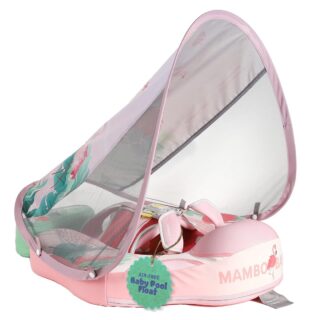 Mambobaby Baby Pool Float with Canopy- Pink
$46.69
Mambobaby Baby Pool Float with Canopy- Pink
$46.69
-
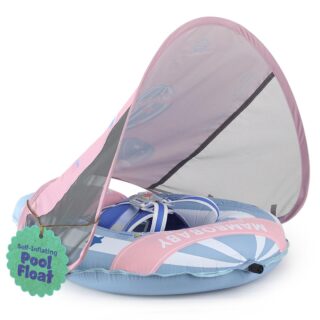 Mambobaby Self Inflating Baby Pool Float with Canopy- Blue
$50.36
Mambobaby Self Inflating Baby Pool Float with Canopy- Blue
$50.36
-
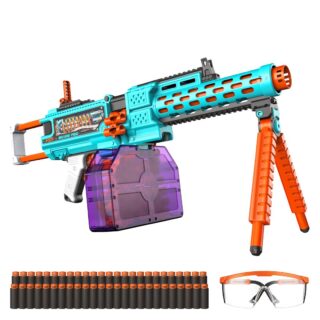 Adventure Force Tactical Strike Boxer Pro Ultimate Pro Flywheel Full-Auto Motorized Belt Blaster, Shoots Up to 150 FT, 55-Piece Pro Blaster Set up to 6 Rounds per Second, 14+
$44.25
Adventure Force Tactical Strike Boxer Pro Ultimate Pro Flywheel Full-Auto Motorized Belt Blaster, Shoots Up to 150 FT, 55-Piece Pro Blaster Set up to 6 Rounds per Second, 14+
$44.25
-
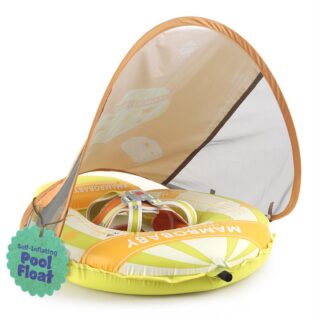 Mambobaby Self Inflating Baby Pool Float with Canopy- Green
$45.59
Mambobaby Self Inflating Baby Pool Float with Canopy- Green
$45.59
Leave a Reply