
Breaking Down the Unique Aspects of Mobile Home Legislation in Iowa
Iowa has a rich history of mobile home development, which has led to specific legislation aimed at protecting both residents and manufacturers. Understanding these laws is essential for both current and prospective mobile home owners in the state. From zoning regulations to the sale and transfer of ownership, the legal landscape surrounding mobile homes can be complex. This article will explore key aspects of mobile home legislation in Iowa, shedding light on what you need to know.
The Importance of Zoning Laws
Zoning laws in Iowa play a vital role in where mobile homes can be placed. Local governments have the authority to regulate land use, which includes determining whether mobile homes can be located in certain areas. It’s essential for prospective buyers or renters to be aware of these regulations before making a decision.
For example, some urban areas may have restrictions that prevent mobile homes from being set up within city limits. Conversely, rural areas might be more accommodating, but they still may require permits or adherence to specific standards. Always check with your local zoning office to understand the rules that apply to your desired location.
Understanding the Iowa Mobile Home Code
The Iowa Mobile Home Code is the backbone of mobile home legislation in the state. It outlines the rights and responsibilities of mobile home owners, as well as the requirements for manufacturers. One key area covered is the installation process. Proper installation is important not only for safety but also for compliance with state regulations.
Homeowners need to ensure that their mobile homes are installed according to these standards, which typically include aspects like foundation requirements and utility hookups. Failure to comply can lead to fines or complications when selling the home. For detailed instructions on the sale process, including how to handle ownership transfers, the Iowa Bill of Sale for a Manufactured Home instructions is a helpful resource.
Consumer Protection Laws
Consumer protection is a significant aspect of mobile home legislation in Iowa. These laws are designed to protect buyers from fraudulent practices and ensure they receive fair value for their investments. They require sellers to disclose certain information about the mobile home being sold, including any history of damage or necessary repairs.
Additionally, buyers have rights concerning warranties and the quality of materials used in mobile home construction. Understanding these rights can save buyers from costly surprises and ensure they make informed decisions.
Financing and Insurance Considerations
Financing a mobile home can differ greatly from traditional home loans. Many financial institutions have specific criteria for lending on manufactured homes. Understanding these can help buyers secure favorable financing options. For instance, some lenders may require a higher down payment or charge higher interest rates due to the perceived risk associated with mobile home loans.
Insurance is another important factor. Mobile homes often require specialized insurance policies that cover unique risks. Buyers should shop around and compare policies to find adequate coverage that fits their needs. Some insurers may also offer discounts for homes that meet certain safety standards, so it’s worth investigating those options.
The Role of Mobile Home Parks
Many mobile home owners in Iowa live in mobile home parks, which come with their own set of rules and regulations. These parks often have specific policies regarding maintenance, parking, and community behavior. It’s important for residents to understand these rules, as non-compliance can lead to eviction or penalties.
Moreover, the relationship between park owners and residents is governed by specific laws that outline their rights and responsibilities. For instance, park owners must provide proper notice before increasing lot rents or making changes to park policies. Residents should familiarize themselves with these protections to ensure their rights are upheld.
Challenges in Mobile Home Ownership
While mobile home ownership can be an affordable housing option, it comes with challenges. One significant issue is depreciation. Unlike traditional homes, mobile homes often lose value over time. This depreciation can affect resale potential and overall investment value. Buyers should consider this when making a purchase.
Another challenge is the maintenance and repair of mobile homes. Owners need to be proactive about upkeep, as neglect can lead to bigger issues down the line. Regular maintenance checks can help identify problems early and keep repair costs manageable.
Future Trends in Mobile Home Legislation
The landscape of mobile home legislation is continually evolving. There’s a growing movement toward increasing protections for mobile home residents, such as better access to financing and improved living conditions in mobile home parks. Advocacy groups are pushing for reforms that could lead to enhanced rights for residents, making it a pivotal time for mobile home legislation in Iowa.
As the population continues to grow and housing demands change, it’s likely that Iowa will see further developments in mobile home laws. Staying informed about these trends is essential for anyone involved in the mobile home market.

On Sale
-
 NERF Air Goal- Instant Blow Up Soccer Goal - Plug In and Inflates in 10 Seconds
$38.70
NERF Air Goal- Instant Blow Up Soccer Goal - Plug In and Inflates in 10 Seconds
$38.70
-
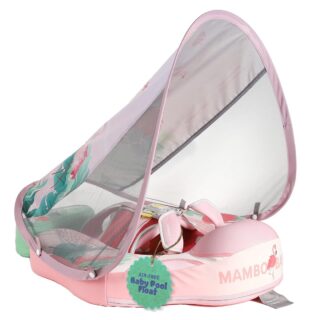 Mambobaby Baby Pool Float with Canopy- Pink
$46.69
Mambobaby Baby Pool Float with Canopy- Pink
$46.69
-
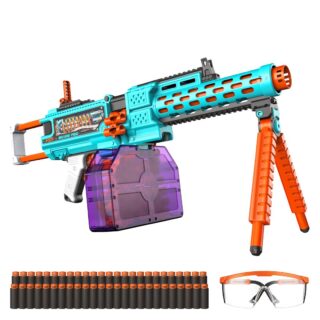 Adventure Force Tactical Strike Boxer Pro Ultimate Pro Flywheel Full-Auto Motorized Belt Blaster, Shoots Up to 150 FT, 55-Piece Pro Blaster Set up to 6 Rounds per Second, 14+
$44.25
Adventure Force Tactical Strike Boxer Pro Ultimate Pro Flywheel Full-Auto Motorized Belt Blaster, Shoots Up to 150 FT, 55-Piece Pro Blaster Set up to 6 Rounds per Second, 14+
$44.25
-
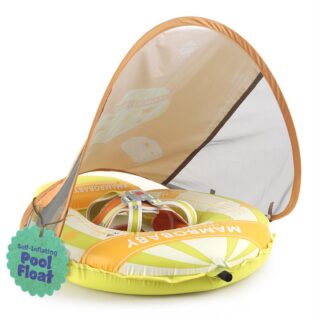 Mambobaby Self Inflating Baby Pool Float with Canopy- Green
$45.59
Mambobaby Self Inflating Baby Pool Float with Canopy- Green
$45.59
-
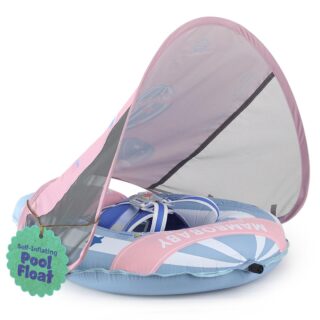 Mambobaby Self Inflating Baby Pool Float with Canopy- Blue
$50.36
Mambobaby Self Inflating Baby Pool Float with Canopy- Blue
$50.36
Leave a Reply